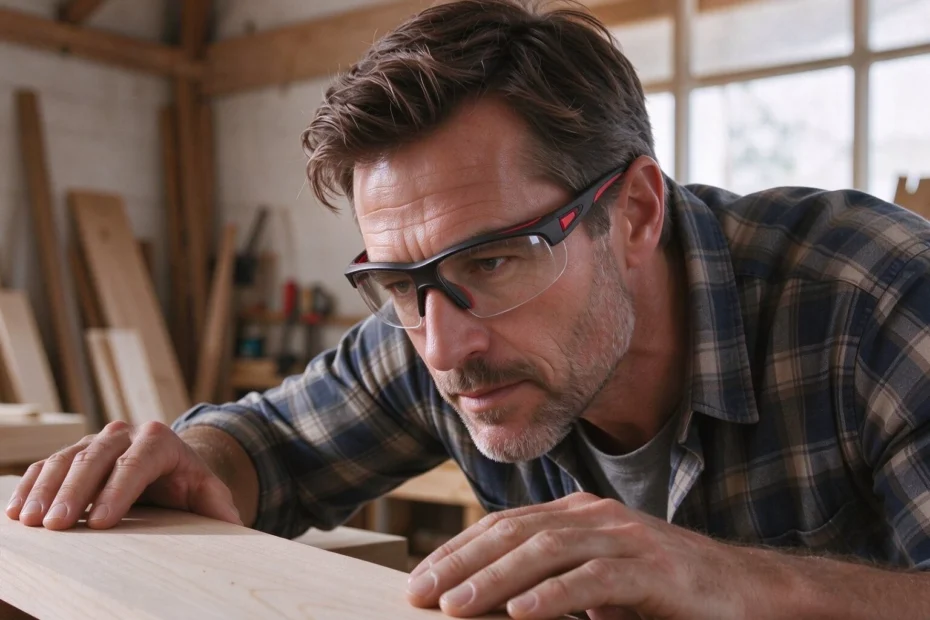
Workplace eyewear has to do more than correct vision. It needs to remain stable, provide clear sight, and offer protection appropriate to the hazards around the wearer. Prescription safety glasses combine vision correction with protective design, making them useful when ordinary prescription frames are not suitable for the job.
Reliability comes from several factors working together. Lens material, frame construction, fit, side coverage, optical accuracy, and relevant safety requirements all influence whether eyewear performs consistently throughout a working day.
What Makes Prescription Safety Glasses Reliable?
Reliable protective eyewear should remain effective when the wearer moves, bends, looks around, and works through changing conditions. A frame that constantly slips or lenses that create distracting distortion can undermine both comfort and practical visibility.
The first consideration is whether the eyewear is appropriate for the hazard. Dust, flying particles, chemical splashes, impact risks, and intense outdoor light can require different protective features. No single frame design is automatically suitable for every workplace.
Key Reliability Factors
| Factor | Why It Matters |
| Lens material | Influences impact performance and weight |
| Frame construction | Supports stability and protective coverage |
| Fit | Keeps lenses correctly positioned during movement |
| Side coverage | Helps limit exposure from lateral directions |
| Optical accuracy | Supports clear vision |
| Safety compliance | Indicates suitability for relevant requirements |
These factors should be considered together. Strong lenses do not make protective eyewear reliable if the frame fits poorly or the design is unsuitable for the workplace hazard.
Lens Material and Optical Quality Matter
Protective lenses need to balance safety performance with clear vision. Impact-resistant materials such as polycarbonate are widely used in safety eyewear because they can provide protection without necessarily adding excessive weight. The appropriate material still depends on the product and intended use.
Prescription accuracy is equally important. Corrective lenses need to match the wearer’s prescription and maintain appropriate positioning within the frame. Poor optical alignment can contribute to discomfort or visual distortion, particularly when eyewear is worn for extended periods.
What to Check
When evaluating lenses, consider:
- Impact performance appropriate to the workplace
- Optical clarity across the useful viewing area
- Scratch-resistant or protective coatings
- UV protection where outdoor exposure is relevant
- Compatibility with the required prescription
- Lens shape and coverage for the task
The goal is dependable vision and protection without unnecessary visual distractions.
Fit Is a Safety Consideration
A safety frame should stay in its intended position during normal workplace movement. If it slides down the nose, shifts when the wearer looks sideways, or creates pressure around the temples, the user may repeatedly adjust it or remove it altogether.
Proper fit also helps maintain the intended relationship between the eyes and prescription lenses. Frame width, bridge dimensions, temple length, and lens position all influence stability. A secure frame should feel stable without creating excessive pressure.
For workers who wear protective eyewear for several hours, comfortable prescription safety glasses for extended wear are particularly relevant because comfort can influence whether protective equipment is consistently worn as intended.
When Prescription Safety Goggles Are the Better Choice
Some work environments require more enclosed protection than standard safety frames provide. Prescription Safety Goggles can be more appropriate where greater coverage around the eyes is needed, particularly when dust, splash hazards, or exposure from multiple directions is a concern.
Goggles can provide a broader protective area depending on their design. However, workers should still verify the product’s intended use and applicable safety requirements. More coverage does not automatically mean a product is suitable for every hazard.
Match Coverage to the Hazard
Consider:
- Particles: Can debris approach from the sides or above?
- Liquids: Is splash protection necessary?
- Dust: Would a more enclosed design be appropriate?
- Impact: Is the eyewear rated for the relevant exposure?
- Other PPE: Will it work with helmets, respirators, or face shields?
A hazard-based approach is more reliable than choosing eyewear based on a generic label.
When Prescription Safety Sunglasses Make Sense
Outdoor workers face a different combination of requirements. Bright sunlight, glare, wind, dust, and ultraviolet exposure can affect visual comfort and performance. Prescription safety sunglasses can combine corrective vision with protective features intended for outdoor work.
Tint should be selected according to the working environment. A very dark lens is not automatically better, particularly when workers move between direct sunlight and shaded areas. Lens color, transmission, contrast, and UV protection should be considered according to the task.
For workers who spend most of the day outdoors, the objective is consistent vision while maintaining appropriate protection. Eyewear should support visibility rather than make it harder to distinguish terrain, equipment, or surrounding hazards.
How to Choose Safety Eyewear for Everyday Work
The most dependable selection process starts with the job rather than the frame. Identify the hazards, visual demands, duration of wear, and other PPE involved before comparing products.
1. Identify the Main Hazard
Determine whether the primary concern is impact, dust, splash, sunlight, or a combination of risks. This establishes the type of protective coverage required.
2. Confirm Prescription Requirements
Make sure the eyewear can accommodate the current prescription and that its optical design suits the intended frame. Prescription accuracy matters because protective eyewear is still a vision correction product.
3. Evaluate Fit and Compatibility
Check the frame while performing realistic movements. Also consider whether it works comfortably with helmets, masks, hearing protection, or other equipment used during the shift.
4. Verify Safety Requirements
Protective eyewear should be selected according to recognized standards and workplace requirements. Do not assume every product marketed as safety eyewear offers the same level of protection.
Why the Complete System Matters
Reliable protective glasses result from several details working together. Lens performance, prescription accuracy, frame stability, coverage, coatings, and workplace compatibility all contribute to practical reliability.
CA Glasses provides safety eyewear options for different prescription, protection, and working-environment requirements. A specialized safety eyewear provider allows workers to evaluate corrective vision and protective function together rather than treating them as separate purchases.
For employers and individual workers, this approach also makes routine use easier to manage. The most useful eyewear is equipment that fits the task, remains comfortable enough for regular wear, and provides protection appropriate to the work.
Conclusion
Reliable protective eyewear is not defined by one feature. It depends on the relationship between prescription accuracy, lens material, frame fit, coverage, optical quality, and the hazards present in the workplace.
The right selection is therefore a practical decision based on real working conditions. When corrective vision and appropriate protection are built into the same system, workers can maintain clearer sight while using eyewear designed for everyday work.