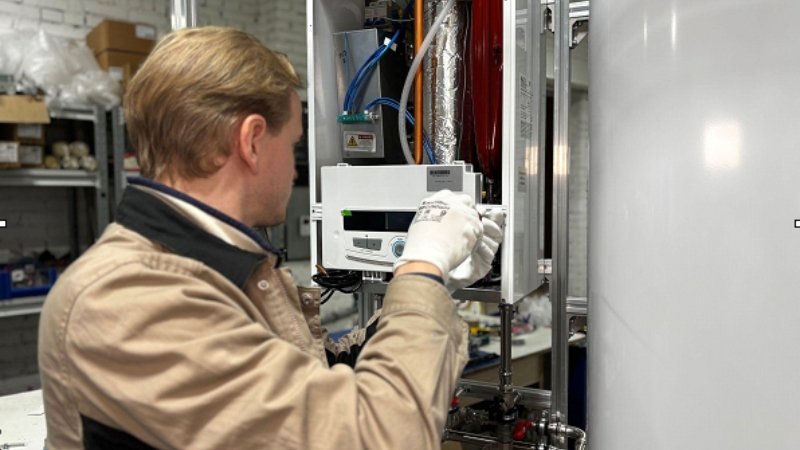
A furnace that stops working in January isn’t a problem you can put off. For a lot of homeowners in Clifton, the question isn’t whether to deal with it – it’s whether to fix what you have or cut your losses and replace it. That answer looks different depending on how old the system is, how often it’s been breaking down, and what you’ve already spent on keeping it running.
Getting this wrong is costly either way. Repair something that’s on its last legs, and you’re just delaying the inevitable. Replace a system that had years left, and you’ve spent money you didn’t need to. This guide covers the warning signs worth paying attention to and the factors that tend to tip the decision one way or the other.
Signs Your Furnace Needs Attention
Furnaces don’t usually fail out of nowhere. Banging, rattling, persistent squealing – these aren’t quirks to live with. They’re signs of mechanical wear that tend to get worse, not better. Uneven heating is another one. If certain rooms stay cold no matter how high the thermostat goes, the system is working harder than it should for the output you’re getting.
Frequent breakdowns are harder to ignore. A furnace that needs a service call every few months is telling you something, even if each repair seems minor on its own.
Then there’s cost. Repairs have a way of adding up quietly, and at some point they start approaching what a replacement would run you – at which point you’re not really saving money anymore. Most furnaces are built to last 15 to 20 years. Once you’re in that range, repairs become more common and less worth doing.
Factors to Consider Before Deciding
Start with the basics: how old is the furnace, and what’s its repair history? A five-year-old unit with one small problem is a completely different situation from a 17-year-old system that’s been patched together over several winters.
Your home matters too. Larger spaces, or homes that aren’t well-insulated, put more strain on a furnace. Sometimes an older, inefficient unit just isn’t the right tool for the job anymore – and repairing it won’t change that.
Budget is part of the equation, but it’s worth thinking beyond the sticker price. Financing options and seasonal deals can make replacement more accessible than it looks at first. And a new, efficient system usually means lower energy bills, which offsets some of that upfront cost over time.
Clifton winters are real. If your furnace struggles when temperatures actually drop, that’s not a minor inconvenience – it’s a sign that it may not hold up through another heating season.
When to Repair vs. When to Replace
Repair tends to make sense when the system is still relatively young, and the issue is isolated. A faulty igniter on a 7-year-old furnace? Worth fixing. A worn thermostat on an otherwise solid unit? Same story.
Replacement starts to make more sense once the furnace is past 15 years and the problems are stacking up – declining efficiency, rising repair costs, inconsistent heat. When those things show up together, you’re usually better off starting fresh.
Timing is worth thinking about too. An emergency breakdown mid-winter forces you into a fast decision with limited options. Planning in the fall, even just getting a quote or an inspection, buys you time to think it through properly rather than scrambling.
If you want a clearer picture of where things stand, having a technician come out is usually worth it. A provider offering local furnace repair in Clifton can give you an honest read on your system before you commit to anything.
Making the Right Call for Your Home
This decision comes down to your specific situation – not just the age of the unit or the cost of the last repair, but the full picture. Multiple warning signs at once, combined with an aging system, usually point in one direction.
A qualified technician can assess the furnace’s condition, give you a realistic sense of how much life is left in it, and help you weigh what repair versus replacement actually costs in your case. That kind of clarity makes it a lot easier to head into the next heating season without second-guessing yourself. Click here for more information.